Why Choosing a Local Pallet Company Matters: Faster Delivery, Better Service, and Lower Cost
Choosing a local pallet company means more than picking a nearby supplier; it shifts how your supply chain responds to demand, manages costs, and supports the local economy. This article explains how proximity, routing efficiencies, and local inventory strategies produce faster delivery, why personalized service and custom solutions reduce friction, and how shorter logistics chains lower total pallet spend. Readers will learn practical steps for emergency same-day fulfillment, the service advantages local suppliers deliver, and the primary cost factors that favor nearby providers. We also examine environmental and community benefits from local sourcing and reuse programs so you can weigh sustainability alongside operational value. Each section uses clear examples, comparison tables, and step-by-step workflows to make decisions actionable for warehouse managers, logistics planners, and procurement teams searching for a reliable pallet supplier near me.
How Does a Local Pallet Company Ensure Faster Delivery?
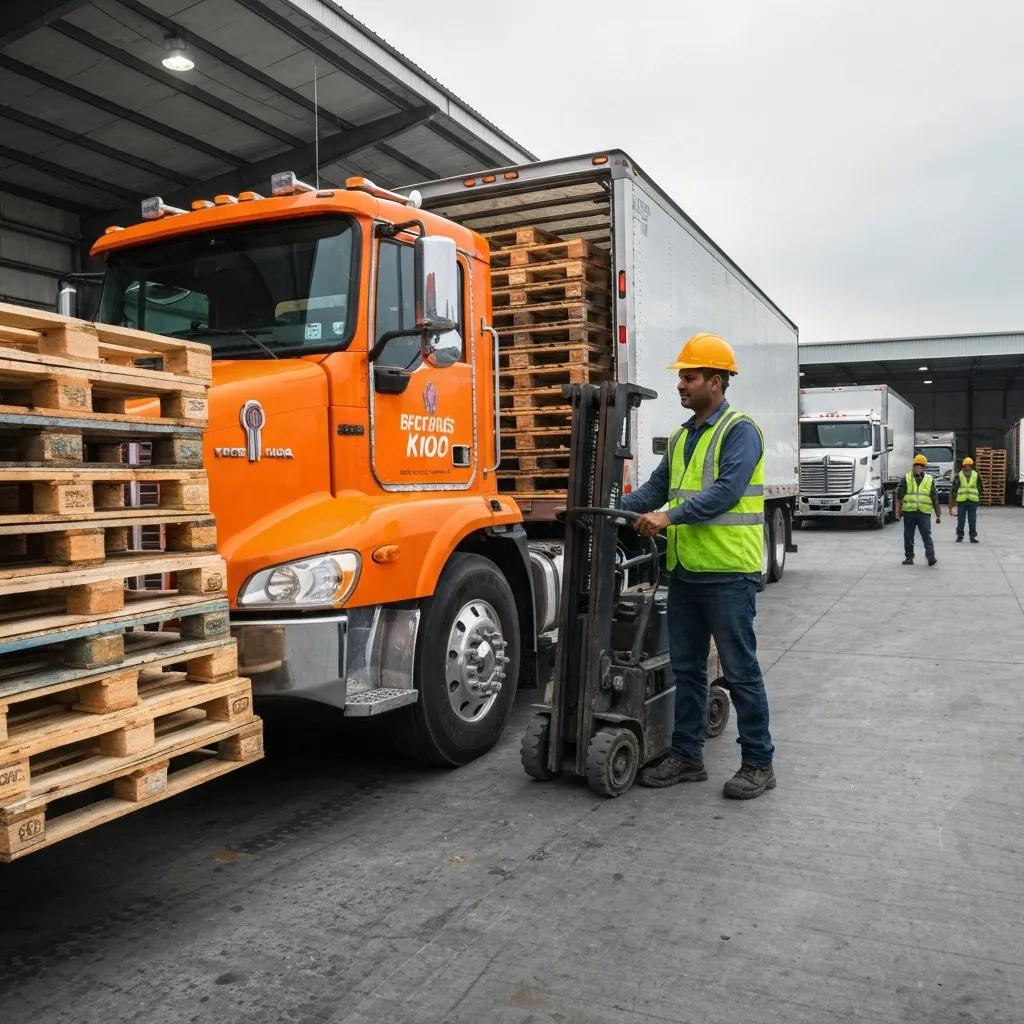
A local pallet company ensures faster delivery by minimizing transit distance, using region-specific routing, and maintaining inventory staged close to customers, which reduces lead time and increases predictability. Shorter distances cut travel time and handling steps, while local route knowledge avoids peak delays and enables tighter delivery windows. Local providers can also prioritize urgent requests and consolidate nearby orders for efficient dispatch, improving responsiveness compared with distant suppliers. Understanding these mechanisms clarifies why same-day or next-day service is feasible from a nearby supplier and why proximity matters for time-sensitive shipments.
Local delivery advantages include three practical mechanisms:
- Reduced transit distance: Fewer miles between warehouse and customer shortens lead time and lowers variability.
- Optimized local routing: Regional knowledge enables faster, more reliable pick-ups and drop-offs.
- Same-day and emergency capacity: On-the-ground assets and staging allow rapid fulfillment for urgent orders.
These mechanisms set up practical comparisons of local versus non-local delivery metrics in the table below.
What delivery metrics reveal about local speed and lead time:
| Delivery Tier | Typical Distance | Typical Lead Time |
|---|---|---|
| Local supplier | Within regional service area | Same-day to 1–2 days |
| Regional supplier | Multi-county to state | 2–5 days |
| National supplier | Inter-state trunking | 3–7+ days |
This table highlights how proximity maps directly to lead-time improvements and shows why near-site inventory and local routing reduce delivery variability compared with farther suppliers.
What Makes Local Pallet Delivery More Efficient in Plant City?
Local efficiency in Plant City comes from geography, concentrated customer clusters, and drivers familiar with regional traffic patterns, which together lower transit time and increase schedule reliability. Local staging near common demand nodes reduces empty miles and allows carriers to consolidate nearby deliveries, which improves per-stop productivity and accelerates turnaround. Suppliers that keep mixed inventories—new, used, and recycled pallets—nearby can match demand quickly without waiting for long replenishment cycles. For example, nearby providers in Plant City and greater Tampa can often reallocate trucks from short-haul loads to cover emergency requests the same day, improving resiliency for regional warehouses and distributors.
To illustrate comparative delivery behavior, local suppliers typically have shorter lead times and can offer more flexible pickup/delivery windows than remote vendors. This proximity advantage directly reduces the risk of production line slowdowns caused by pallet shortages and enables faster recovery from unexpected surges in demand.
How Do Emergency and Same-Day Pallet Deliveries Work Locally?
Emergency and same-day pallet deliveries follow a predictable triage-to-dispatch workflow that local suppliers execute efficiently because of proximity and staging. First, the request is triaged to confirm pallet type, quantity, and location; second, inventory is checked and the order is prioritized in a dispatch slot; third, drivers are routed for fastest pickup and drop-off using route consolidation techniques. This triage→dispatch→delivery sequence shortens decision time and leverages local stock for immediate fulfillment. Local providers also maintain simple communication channels to confirm ETA and special handling, which reduces errors during urgent moves.
- Triage: Verify pallet specifications and delivery urgency; confirm staging availability.
- Dispatch: Assign nearest truck and optimize route for fastest arrival.
- Delivery: Execute drop-off with proof-of-delivery and quick follow-up for any discrepancies.
Following these steps keeps emergency orders clear and actionable, enabling same-day performance for nearby customers and reducing disruption risks for time-critical operations.
What Service Advantages Do Local Pallet Suppliers Offer?
Local pallet suppliers offer service advantages rooted in personal relationships, rapid issue resolution, and flexibility for bespoke requirements, which together improve operational consistency and reduce friction. Personalized support typically includes a dedicated contact who understands recurring needs, faster handling of damage claims and replacements, and collaborative inventory planning to prevent stockouts. Local firms can also coordinate small custom runs and accommodate variable order sizes more readily than distant suppliers, enabling manufacturers and warehouses to adapt to fluctuating demand without large safety stock increases. These service differentials make local partners valuable when reliability and responsiveness matter most.
Common service advantages from local suppliers include:
- Dedicated account support: Single-point communication accelerates reorders and problem solving.
- Flexible order handling: Easier modifications to quantities and schedules reduce lead-time waste.
- Quality assurance and quick remediation: On-site inspections and repairs minimize downtime from pallet defects.
Below is a quick comparison of services and typical benefits with a business example to ground expectations.
| Service | Typical Benefit | Business Example |
|---|---|---|
| Account management | Faster reorders and fewer errors | Local rep coordinates recurring weekly deliveries |
| Custom pallets | Fit-for-purpose dimensions and prototypes | Small-run custom skids for local manufacturer |
| Emergency delivery | Rapid replenishment to avoid line stoppage | Same-day dispatch from nearby staging yard |
This table clarifies how personalized services convert into operational improvements and why local suppliers often outperform remote providers on service metrics.
How Does Personalized Support Improve Your Pallet Experience?
Personalized support improves pallet operations by reducing communication delays, preventing specification errors, and enabling proactive inventory planning that aligns with production cycles. An account representative familiar with your layouts, order cadence, and special-handling requirements can pre-empt common issues and arrange timely repairs or replacements. Faster dispute resolution and local inspection also reduce the administrative burden associated with damaged or nonconforming pallets, leading to fewer interruptions on the warehouse floor. In short, a close vendor relationship translates into predictable replenishment and less time spent managing exceptions.
Consistent, direct contact creates operational continuity that feeds into better forecasting and fewer emergency orders, which then reinforces the supplier’s ability to plan route capacity and staging for regional customers.
Why Are Custom and Reliable Pallet Solutions Easier with Local Providers?
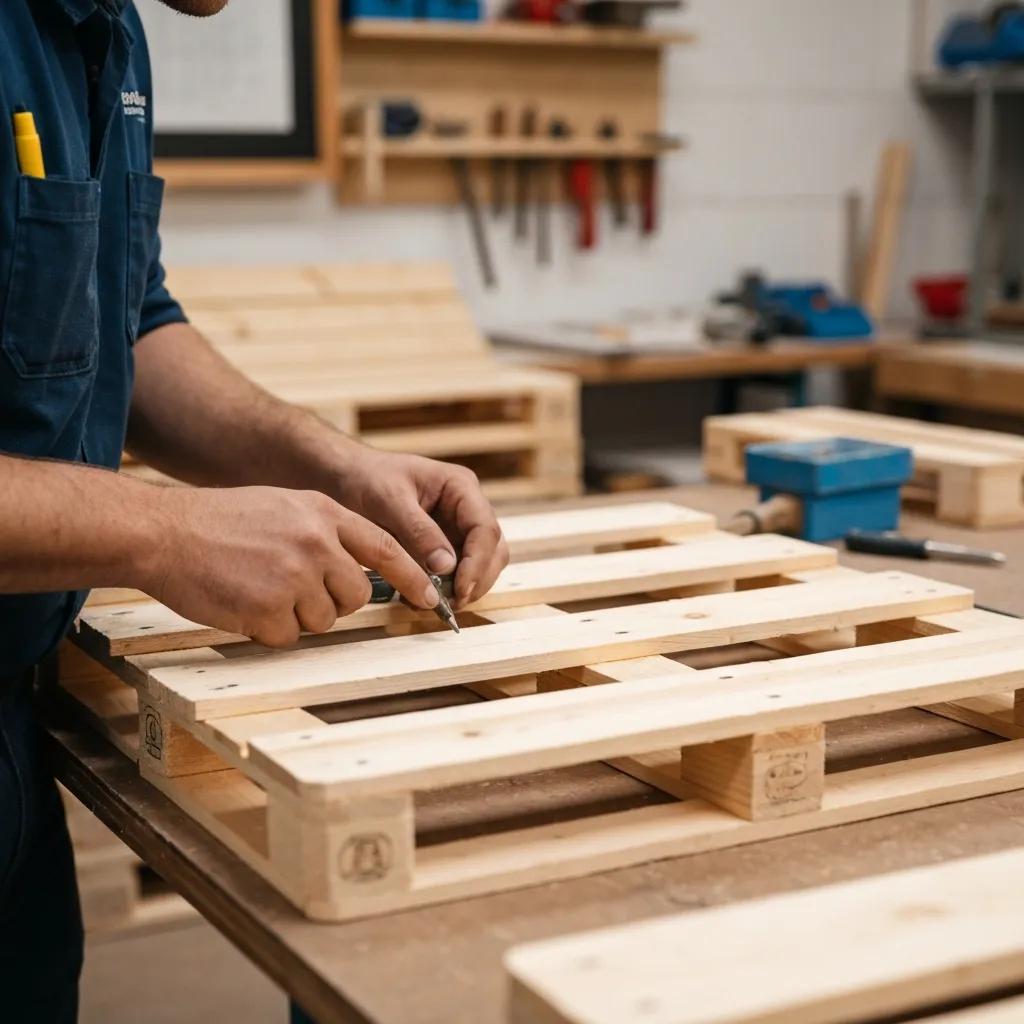
Custom and reliable pallet solutions are easier to execute locally because iterative prototyping, small-run production, and hands-on approvals are faster when parties are nearby. Designing a custom pallet involves specifying dimensions, load patterns, and any heat-treatment or ISPM 15 requirements; local suppliers can create prototypes, allow on-site testing, and refine designs without long shipping delays. Repair and reconditioning services are also more accessible, extending pallet life and lowering replacement frequency. For companies with variable order sizes or special packaging needs, this proximity accelerates turnaround from concept to deployment and simplifies coordination for compliance procedures.
Proximity therefore shortens the feedback loop between design, testing, and production, which reduces time-to-implementation for custom pallet programs and supports more agile warehouse operations.
How Can Choosing a Local Pallet Company Lower Your Costs?
Choosing a local pallet company reduces costs primarily through lower freight and handling expenses, reduced inventory carrying costs thanks to faster replenishment, and value-added services like recycling and repair that extend pallet life. Fewer miles traveled and fewer handoffs decrease fuel and handling charges, while nearby staging allows smaller, more frequent deliveries that match consumption and cut safety-stock requirements. Additionally, local recycling and buy-back options reduce the need for new purchases and lower total pallet spend over time. Understanding these cost drivers helps procurement teams quantify the financial impact of local sourcing without relying on fixed price comparisons.
Key cost factors that favor local suppliers include:
- Freight reduction: Shorter routes reduce transportation expense and transit risk.
- Inventory carrying savings: Faster replenishment lowers safety-stock needs and holding costs.
- Value-added services: Repair, reconditioning, and buy-back reduce net replacement spend.
To make this concrete, compare common cost drivers in the table below to see where relative savings occur.
| Cost Driver | Example Scenario | Relative Savings |
|---|---|---|
| Freight cost | Local short-haul vs national freight | Lower for local due to fewer miles and simpler routing |
| Handling steps | Direct delivery vs multi-stop consolidation | Fewer handoffs reduce damage and handling fees |
| Replacement frequency | Repaired/reconditioned pallets vs new buys | Lower with local repair and buy-back programs |
This breakdown highlights how proximity changes each cost component and why local sourcing often yields measurable savings across freight, handling, and replacement expenses.
In What Ways Does Local Delivery Reduce Freight and Transportation Expenses?
Local delivery reduces freight expenses by cutting distance, enabling consolidated local routes, and avoiding interline handoffs that add fees and delay. Shorter transit reduces fuel consumption and driver time, and consolidated pickups in a compact service area lower per-unit transport cost. Fewer intermediaries mean fewer touchpoints where damage or misrouting can occur, reducing indirect costs from replacements and administrative handling. Together these efficiencies narrow the total landed cost of pallets and make local supply chains more cost-competitive for frequent or time-sensitive deliveries.
These transport efficiencies also compound when suppliers schedule recurring local runs, which smooth demand peaks and permit lower per-unit freight through route optimization.
What Value-Added Services Help Cut Pallet Costs Locally?
Value-added services such as pallet recycling, buy-back programs, inspection and grading, and on-site repair directly lower total pallet ownership costs by extending life cycles and recapturing value from used materials. Recycling and buy-back reduce the volume of new pallets you must purchase, while grading and repair programs keep more pallets in circulation and prevent costly replacements. Local providers can often turn used pallets around faster for reconditioning and return them to service, which shortens the cash-to-value cycle for pallet assets. For organizations focused on both cost and sustainability, these services create a virtuous loop of reuse and reduced procurement spend.
Common local value-added services include:
- Pallet recycling/buy-back: Recovers value from used pallets and reduces new purchases.
- Repair and reconditioning: Extends usable life and delays replacements.
- Inspection and grading: Improves lifecycle planning and reduces unexpected losses.
These services combine to lower net pallet spend while supporting circular material flows within the region.
How Does Supporting a Local Pallet Company Benefit Sustainability and the Community?
Supporting a local pallet company produces environmental and economic benefits by shortening transportation distances, promoting reuse and repair, and keeping procurement dollars circulating in the local economy. Shorter delivery routes cut vehicle miles traveled and associated emissions, while local recycling and reconditioning lower demand for virgin lumber and decrease landfill contributions. Economically, local sourcing sustains jobs, strengthens regional supply chains, and builds resilience for area manufacturers and distributors. The combined effect is a smaller carbon footprint and a more robust local industrial ecosystem that benefits businesses and communities alike.
Local circularity practices and community impact are tangible in these three areas:
- Lower emissions: Reduced vehicle miles decrease scope 1 and scope 3 emissions from transport.
- Resource conservation: Reuse and repair reduce raw material demand and waste.
- Local economic support: Retaining spend locally sustains jobs and vendor networks.
For readers who want detailed guidance on recycled options, WW Pallets maintains a resource about sustainable recycled pallets in Tampa that explains local reuse and recycling offerings and how they fit into a circular approach to pallet management. To learn more about their local solutions, reach out to David Lacy at WW Pallets directly at 813-707-8474 or visit wwpallets.net. This localized sustainability guidance illustrates how recycled pallets can align environmental goals with operational needs.
What Are the Environmental Benefits of Using Recycled Pallets Locally?
Recycled pallets reduce the need for new lumber, cut waste, and shorten transport for reuse or reconditioning, all of which lower carbon intensity compared with single-use supply chains. Reconditioning keeps materials in circulation longer, which diminishes lifecycle impacts from harvesting and manufacturing new pallets. Local recycling loops shorten return trips and allow used pallets to be repaired and redeployed with minimal transport overhead. From an emissions and waste perspective, these practices collectively support corporate sustainability targets while offering practical cost benefits through extended pallet life.
This environmental logic ties directly to local cost savings because fewer new purchases and shorter transport both reduce financial and carbon costs simultaneously.
How Does Local Sourcing Support Plant City’s Economy and Reduce Carbon Footprint?
Local sourcing in Plant City keeps procurement spend within the regional economy, supporting jobs at warehouses, repair shops, and transportation providers while improving supply chain resilience for area businesses. Reduced vehicle miles from nearby deliveries lower fuel consumption and greenhouse-gas output, which contributes to community-level reductions in transportation emissions. Stronger local supplier relationships also enable quicker adaptation to regional demand shifts and support reinvestment in local facilities that further enhance logistics efficiency. Together, these effects build a more sustainable and economically vibrant regional supply chain that benefits both companies and the community.
By selecting nearby pallet partners, companies achieve a dual outcome: operational reliability and measurable community and environmental gains that compound over time.
Ready to Experience the Local Pallet Advantage?
Discover how WW Pallets can optimize your supply chain with faster delivery, superior service, and cost-saving solutions. Connect with our local experts today to discuss your specific needs and see the difference local makes.